Humectants, Emollients and Occlusives
In short
Every moisturiser is built from three kinds of ingredient.
Humectants pull water in. Glycerin, hyaluronic acid, urea, panthenol. Emollients smooth and soften. Squalane, plant oils, fatty alcohols, ceramides. Occlusives stop water leaving. Petroleum jelly, dimethicone, shea butter, beeswax.
This page is the list. If you want the concept explained first, our guide to what a moisturiser does covers how the three work together.
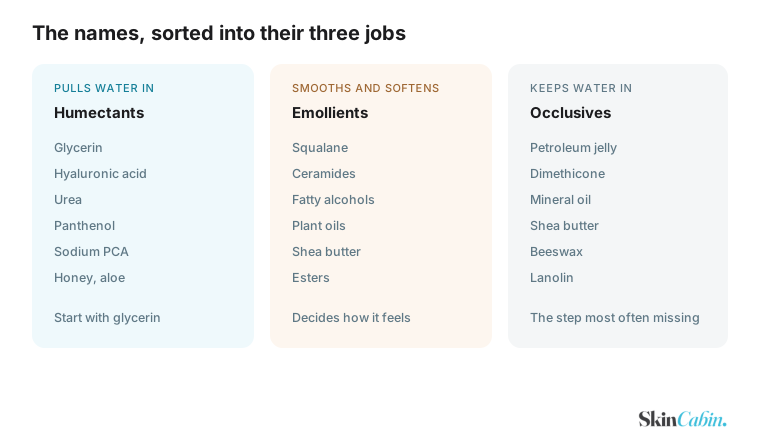 The whole page, on one card.
Humectants: the ones that pull water in
A humectant grabs water and holds it near the surface of your skin.
Where that water comes from depends on the air. In humid air, some of it comes from the air itself. In dry air there's less to draw on, so a humectant works best with something sealing on top of it.
The ones worth knowing
Glycerin. The workhorse. Cheap, well studied, and in almost every moisturiser made. If it's in the top five ingredients, that's a good sign. Nothing has beaten it for reliability.
Hyaluronic acid. Holds a lot of water for its size. Often listed as sodium hyaluronate. That's a smaller version that sinks in more easily. Popular and effective. Costs more than glycerin for a similar result.
Urea. Does two jobs. At low amounts it holds water. At higher amounts it also softens hard, thick skin. That's why you see it in foot creams.
Panthenol. A form of vitamin B5. Holds water and calms irritated skin. Common in products for sensitive or upset skin.
Sodium PCA. Something your skin already makes. Light, and often paired with glycerin.
Honey, aloe, betaine. All genuine humectants. All fine. None better than glycerin.
Glycerin or hyaluronic acid?
The question people actually ask.
Glycerin is cheaper, sinks in better, and works across a wider range of conditions. It's less fussy in dry air.
Hyaluronic acid holds more water and feels lighter and more elegant on the skin. In very dry air, on its own, it's more likely to leave you feeling tight.
In practice: most good products contain both. If you're choosing between two products and one has glycerin high on the list, that's the safer pick.
Emollients: the ones that smooth and soften
An emollient fills the small gaps on your skin's surface. That's what makes skin feel smooth straight after you apply it.
They're also the ingredients that decide how a product feels. Most of what you notice about a moisturiser's texture comes from here.
The ones worth knowing
Squalane. Light, stable and suits nearly everyone. Made from olives or sugarcane. Rarely causes problems.
Fatty alcohols. Cetyl alcohol and stearyl alcohol are the common ones. The word "alcohol" puts people off. It shouldn't. These are waxy and softening, not drying. Completely different from the alcohol that dries your skin.
Ceramides. The fats that sit between your skin cells and hold them together. More on that in what is the skin barrier. Your skin makes them naturally, and makes fewer with age. Putting them back helps rebuild a weak barrier. Worth paying attention to if your skin is easily upset.
Plant oils. Jojoba, sunflower, almond, argan, rosehip. All emollients, and some seal a little too. Coconut oil is the one to watch on acne-prone skin. It blocks pores for a lot of people.
Shea butter. Sits between emollient and occlusive. Softens and seals. Rich, so better on body than face for most people.
Esters. A large group with long names on the label. Lab-made, and chosen mostly to make a product feel good.
What about silicones?
Dimethicone comes up a lot, usually in the context of whether it's bad.
They aren't. Silicones smooth the surface and seal water in. They feel light rather than greasy. They don't block pores for most people, and they don't build up in any harmful way.
The one real complaint is pilling. Silicone-based and water-based products often refuse to blend. That's a texture problem, not a safety one.
Occlusives: the ones that keep water in
An occlusive puts a layer on top of your skin so water can't escape into the air. It adds nothing itself. It just stops what's there from leaving.
This is the job people most often skip, and it's the reason a hydrating serum alone can leave skin tight.
The ones worth knowing
Petroleum jelly. Also listed as petrolatum. The strongest of them all. It cuts water loss more than anything else available. Cheap, and among the least likely to irritate anyone.
Dimethicone. Seals water in without the greasy feel. This is why most face creams use it rather than petroleum jelly.
Mineral oil. Light, cheap, effective. Same family as petroleum jelly, less heavy.
Shea butter and cocoa butter. Natural, rich, pleasant. Better on body than face.
Beeswax and lanolin. Both work well. Lanolin is very good on lips and hands. It does upset more people than the others.
Is petroleum jelly safe?
Yes. This is worth answering directly because the question comes up constantly.
Cosmetic-grade petroleum jelly is highly refined. People have used it on skin for over a century. It doesn't get absorbed into your body. It's among the least likely ingredients to cause a reaction. Dermatologists recommend it routinely for cracked skin.
The one genuine caution. It seals so completely that it traps sweat and heat too. Use it on small areas. Hands, lips, a rough patch. Not your whole body for weeks.
Ingredients that do two jobs
Not everything sits in one box, and this trips people up when reading labels.
- Shea butter — emollient and occlusive
- Dimethicone — emollient and occlusive
- Urea — humectant, and softens hard skin at higher amounts
- Ceramides — emollient, and help rebuild the barrier itself
- Some plant oils — emollient, with a little sealing
So a short list isn't always a product missing a job. It might be doing more with less.
How to spot all three on a label
Read the first five ingredients. That's where nearly all of the product is.
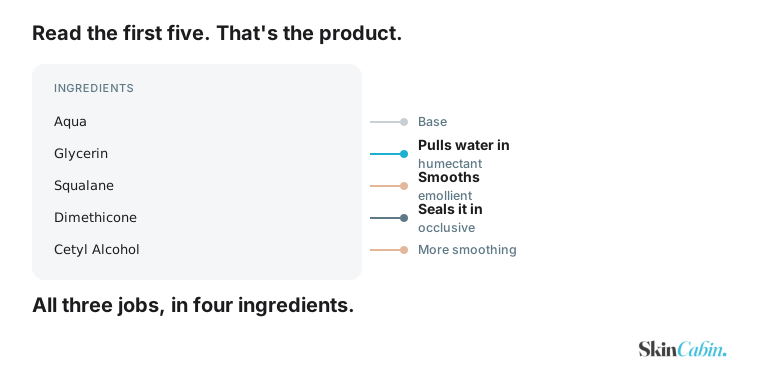 Four ingredients, all three jobs.
You want to see:
- Water, usually first
- Something that pulls water in — glycerin is the most common
- Something that smooths — squalane, a fatty alcohol, an oil
- Something that seals — dimethicone, petroleum jelly, shea butter
If one is missing, it's usually the sealing step. That's the most common gap, especially in products sold as light or oil-free.
What that means for you. A product with no sealing step isn't bad. It just needs something on top. Or it suits humid weather better than dry.
Which do you need most?
All three, but the balance shifts.
Oily skin — humectants do most of the work. You need less sealing, since your skin makes its own oil. Light silicones beat heavy butters.
Dry skin — you need all three, and more emollient and occlusive than most. See also is moisturiser the same as lotion for picking a texture. This is where ceramides earn their place.
Sensitive skin — fewer ingredients overall. Glycerin, panthenol, squalane, ceramides. Skip fragrance and heavy plant oils.
Acne-prone skin — humectants and light silicones. Be careful with coconut oil and heavy butters on your face.
Older skin — more emollient than you used to need. Your skin makes less oil than it did. Ceramides again.
In very dry air — increase the sealing step. This is when a humectant on its own is most likely to leave you tight.
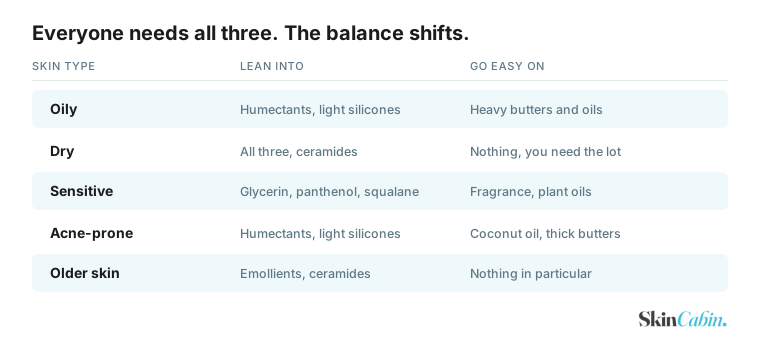 Same three jobs, different balance.
When one backfires
A humectant with nothing on top, in dry air. It pulls water to the surface. Nothing keeps it there. Your skin can end up tighter than before. Put something over it.
A heavy occlusive on acne-prone skin. Thick butters and some oils block pores for a lot of people. Use light silicones instead.
Coconut oil on your face. It's a good emollient and a common pore-blocker. Fine on your body, risky on your face.
Too many emollients and no humectant. Your skin feels smooth but stays short of water. Smooth and hydrated aren't the same thing.
Common mistakes
Avoiding fatty alcohols. They're softening, not drying. Cetyl and stearyl alcohol are good for dry skin.
Avoiding silicones. They're among the safest ingredients on the shelf. The pilling complaint is about texture, not harm.
Avoiding petroleum jelly. Cosmetic-grade is highly refined, doesn't absorb, and is one of the least irritating things you can use.
Thinking natural means gentler. Essential oils and citrus extracts cause far more reactions than dimethicone.
Buying for one hero ingredient. A product with a famous ingredient at the bottom of the list has almost none of it.
Frequently asked questions
What is the difference between a humectant, an emollient and an occlusive? A humectant pulls water into your skin. An emollient smooths and softens the surface. An occlusive stops the water leaving again.
Which is more important? None of them alone. A humectant with nothing sealing it can leave you tighter. A sealing ingredient with no humectant just keeps what's already there.
Is glycerin or hyaluronic acid better? Glycerin is cheaper, sinks in better, and copes better with dry air. Hyaluronic acid holds more water and feels lighter. Most good products use both.
Are silicones bad for skin? No. They smooth and seal. They don't block pores for most people, and don't build up harmfully. They can cause pilling with water-based products, which is a texture issue.
Is petroleum jelly safe to use on your face? Yes. Cosmetic-grade petrolatum is highly refined and among the least irritating things available. Use less on acne-prone skin. Don't cover large areas for long periods.
Are fatty alcohols drying? No. Cetyl and stearyl alcohol are waxy and softening. Not the drying kind.
Do I need ceramides? Not everyone. They're most useful if your skin is dry or easily upset. Also past about forty, when your skin makes fewer of its own.
Can one ingredient do more than one job? Yes. Shea butter and dimethicone are both emollient and occlusive. Urea holds water and softens thick skin.
Why does my hyaluronic acid serum make my skin feel tight? It pulled water to the surface and nothing kept it there. Put a moisturiser over it, and apply to damp skin.
Is coconut oil good for skin? As an emollient, yes. On acne-prone facial skin it blocks pores for a lot of people. Better on body than face.
Want to compare products on what's actually in them? Every moisturiser on SkinCabin is scored on its ingredients, not its marketing. Find products →