Best Ingredients for Dehydrated Skin
In short
Dehydrated skin needs two things, and most people only buy one.
Something to pull water in — glycerin, hyaluronic acid, panthenol, urea. Something to keep it there — squalane, dimethicone, ceramides, petroleum jelly.
A water-pulling ingredient with nothing on top can leave you tighter than before. That's the single most common mistake, and it's why hyaluronic acid serums disappoint people.
Glycerin is the one to start with. Cheap, well studied, and it works in more conditions than anything else.
The two jobs
Everything below does one of them. Knowing which stops you buying three products that all do the same thing.
Pulling water in. These grab water and hold it near the surface. They work best when there's water available — from your skin, from the air, or from the damp face you just applied them to.
Keeping it there. These form a layer that slows water escaping. They add nothing themselves; they stop what's there from leaving.
You need both. A water-puller alone in dry air will often leave you worse off. A sealer alone traps whatever's already there and adds nothing.
More on how the three ingredient families work in humectants, emollients and occlusives.
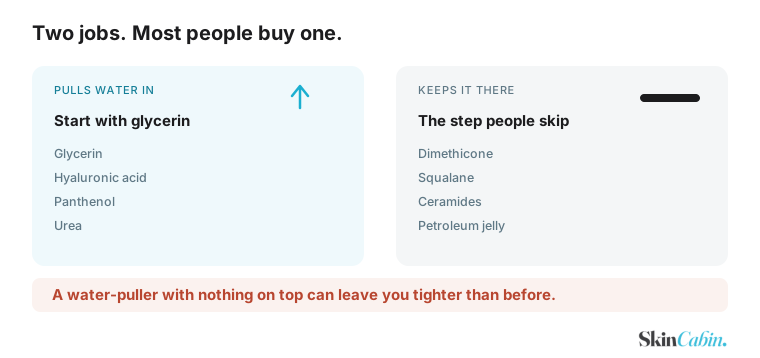 Two jobs. Most people buy one.
Pulling water in
Glycerin
Start here. It's in almost every moisturiser made, it's cheap, and it's been studied for decades.
Why it beats the alternatives for dehydrated skin: it works across a wider range of conditions, including dry air where hyaluronic acid struggles.
Where to look for it: in the top five ingredients. That's a good sign on any product.
Hyaluronic acid
Holds a lot of water for its size. Often listed as sodium hyaluronate, a smaller version that sinks in more easily.
The catch. In dry air, with nothing sealing it, it can pull water to the surface where it evaporates. That's why people report a hyaluronic acid serum making them feel tighter.
How to use it properly: on damp skin, with a moisturiser on top. Not on a bone-dry face in a heated room.
Is it better than glycerin? No. It feels lighter and more elegant. Glycerin is more reliable.
Panthenol
A form of vitamin B5. Holds water and calms irritated skin at the same time.
Worth prioritising if your dehydration came with redness or stinging, which it often does.
Urea
Does two jobs. At low levels it holds water. At higher levels it also softens thick, rough skin.
Better on body than face for most people, particularly feet and hands.
The rest
Sodium PCA, betaine, honey, aloe. All genuine, all fine, none better than glycerin. If a product uses them alongside glycerin, good. Instead of it, no reason to pay more.
Keeping it there
This is the step people skip, and it's the one that makes the difference.
Dimethicone
The best fit for most dehydrated skin. It seals water in without feeling heavy or greasy.
Particularly good if your skin is oily as well as dehydrated, where a rich cream would be too much.
The claim that silicones are harmful doesn't hold up. They don't block pores for most people and they don't build up.
Squalane
Light, stable, suits nearly everyone. Smooths and seals a little.
A good middle ground if you want something plant-derived that doesn't feel heavy.
Ceramides
The fats that hold your skin cells together. Your skin makes them, and makes fewer with age.
Worth prioritising if your dehydration keeps coming back, or if your skin stings with products that used to be fine. That points to a barrier that needs rebuilding rather than just topping up.
Petroleum jelly
The strongest sealer available. Cuts water loss more than anything else.
Too heavy for most faces, and excellent on hands, lips and rough patches. Also useful over a moisturiser on very dry nights.
Shea butter and plant oils
Richer, and better suited to dry skin than dehydrated skin. If you're short of water rather than oil, these add something you may not need.
Fine on the body. Often too much on an oily-but-dehydrated face.
Supporting ingredients
Not doing either main job, and worth having.
Niacinamide. Calms redness, helps your skin build its own barrier fats, and helps with oil. The best single addition for oily-but-dehydrated skin.
Colloidal oat. Calms itching and irritation. Common in products for sensitive skin.
Allantoin. Soothing, gentle, very well tolerated.
What to avoid while dehydrated
Foaming cleansers. The most likely thing causing it.
Denatured alcohol high on the list. Dries the surface. Fine low down.
Fragrance and essential oils, if your skin is reacting.
Acids and retinol, for two to four weeks while you recover.
Scrubs. Irritation is the opposite of what you need.
Very rich butters on the face, if you're oily as well as dehydrated. You need water, not more oil.
Building a routine
Two products is enough.
A moisturiser containing both jobs — glycerin near the top, plus dimethicone or squalane. Most decent moisturisers do this.
Sunscreen in the morning.
If you want a third, a hydrating serum under your moisturiser. Never instead of it.
Apply to damp skin, within a minute of washing. That does more than upgrading any product.
What good looks like on a label
The first five ingredients tell you nearly everything.
Water · Glycerin · [an emollient] · [something sealing] · [a thickener]
If glycerin is high and there's something sealing further down, it will work. If it's all water-pullers and no sealer, you'll need something over it.
Frequently asked questions
What's the best ingredient for dehydrated skin? Glycerin. Cheap, well studied, and it works in more conditions than the alternatives.
Is hyaluronic acid good for dehydrated skin? Yes, with something over it. On its own in dry air it can leave your skin feeling tighter.
Why does my hyaluronic acid serum make my skin feel tight? It pulled water to the surface and nothing kept it there. Apply to damp skin and put a moisturiser on top.
Do I need both a serum and a moisturiser? No. A good moisturiser does both jobs. A serum is optional, and never a replacement.
What ingredients should I avoid? Foaming cleansers, drying alcohol high on the list, fragrance if you're reacting, and acids or retinol while you recover.
Is niacinamide good for dehydrated skin? Yes, especially if you're oily as well. It helps with water, oil and redness at once.
Are ceramides worth it? If your dehydration keeps returning or your skin stings easily, yes. That suggests a barrier that needs rebuilding.
Can I use a rich cream? You can, though dehydrated skin needs water more than oil. If you're oily as well, a light gel suits better.
Is glycerin or hyaluronic acid better? Glycerin, for reliability. Hyaluronic acid feels lighter. Most good products contain both.
How do I know if a product will work? Read the first five ingredients. Look for glycerin high up and something sealing further down.
Every moisturiser on SkinCabin is scored on its ingredients rather than its marketing. Find products →